How Long Do Dental Implants Last? Caring for Your Investment

The Short Answer on Implant Lifespan
The titanium post of a dental implant can last 20-30 years or longer, and many last a lifetime with good care. The crown on top usually needs replacing after 10 to 15 years because it takes the daily wear of chewing. But how long do dental implants last in practice? It depends on your gum health, your habits, and the skill behind the placement.
At Winterholler Dentistry - Helena, our team has placed more than 7,000 implants across our offices, with a 98% implant success rate. Learn more about dental implant care in Helena or call (406) 443-3747 to talk through your own situation.
What Determines How Long an Implant Lasts
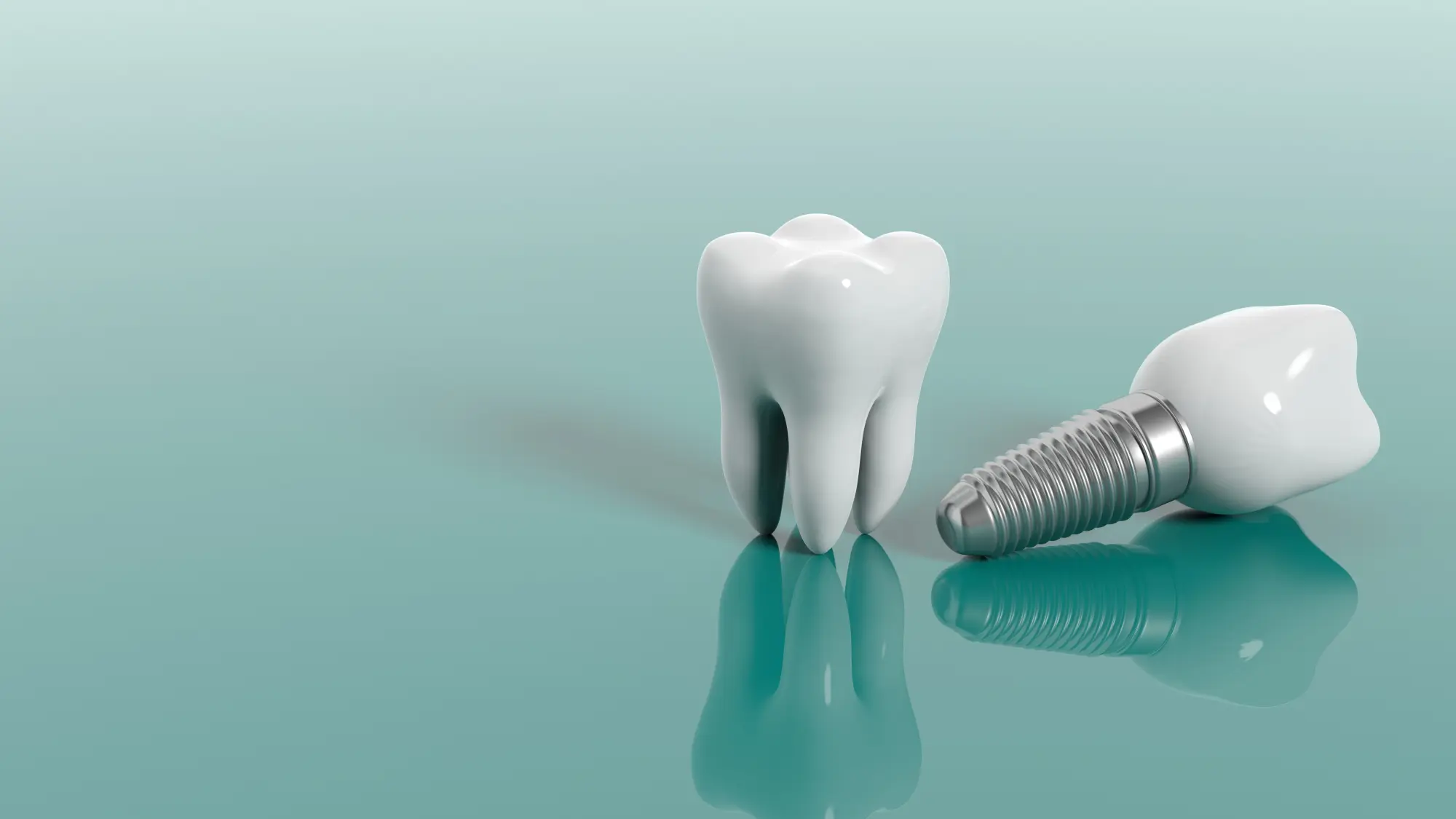
An implant is a small post that fuses with your jawbone, so its lifespan is tied to the health of the tissue around it. Three parts work together, and each ages differently.
The Implant Post
The post bonds to bone through a process called osseointegration. Once that bond forms, the post is very durable. Failures tend to happen in the first months after surgery or years later because of gum disease.
The Abutment and Crown
The abutment connects the post to the crown. Both are made of strong materials, but the crown faces constant bite force. Porcelain can chip, and screws can loosen over time. These are minor issues that require repairs, not signs that the implant itself has failed.
The Bone That Holds It All
Bone density matters. If you have lost bone since a tooth was removed, a graft may be needed before placement. Starting with a stable foundation gives the implant a longer run. Our tooth extractions and bone grafting in Helena can help prepare the site.
Caring for Your Investment Every Day
Implants cannot get cavities, but the gums around them can still get infected. Daily cleaning is the best way to protect what you paid for. Keep the routine simple and consistent.
- Brush twice a day with a soft-bristled brush and a non-abrasive toothpaste.
- Clean between teeth and around the implant daily with floss, interdental brushes, or a water flosser.
- Skip hard candy, ice, and don’t use your teeth to open packages.
- Wear a night guard if you grind or clench your teeth.
- Avoid all types of tobacco and nicotine, which slow healing and dramatically raise the risk of implant failure.
None of this takes much time. Spending five extra minutes a day caring for your new tooth can add years to your implant’s lifespan.
Checkups and Professional Care
Home care is only half of the plan. Regular visits let us catch small problems before they turn into costly ones.
What We Check at Each Visit
We look at the gum tissue for redness or swelling, measure pocket depth around the implant, and test that the crown is secure. X-rays show the bone level so we can spot changes early.
How Often to Come In
Most patients do well with cleanings every six months. If you have a history of gum disease, we may suggest a shorter interval. Our hygiene team uses tools made for implant surfaces, so the metal is not scratched.
Warning Signs That Shorten Implant Life
Peri-implantitis is the most common reason an implant fails after the early healing period. It starts as inflammation in the gums and, left alone, destroys the supporting bone. Catching it early often means a simple treatment. Call us if you notice any of the following.
- Bleeding or swollen gums around the implant.
- A bad taste or persistent odor near the site.
- A crown that feels loose or shifts when you bite.
- Pain or pressure that does not fade.
- Gums that appear to be pulling back from the implant.
Do not wait for a scheduled cleaning if something feels wrong. Early treatment protects the bone and often saves the implant.
Full-Arch and All-on-X Implants: What to Expect
If you are replacing a full row of teeth, the same principles apply. All-on-X restorations use a small number of implants to support a full arch, and our team has completed thousands of them. See how full-arch implants work.
Longevity of Full-Arch Restorations
The implants themselves can last for decades. The replacement teeth attached to them may need maintenance, such as a refresh of the bridge material after many years of use.
Cleaning Under a Full-Arch Bridge
Food and plaque can collect under a fixed bridge. We teach each patient how to clean beneath it, and we offer professional cleanings that reach areas you cannot. Patients often tell us the routine becomes second nature within weeks.
Why Experience and an On-Site Lab Protect Your Results
The skill of the team placing your implant has a direct effect on how it performs. Dr. William Winterholler founded the practice, and our group of doctors brings deep experience with implants and sedation. Dr. Jason Knable, a former instructor for Western Surgical and Sedation, is a Fellow of the Academy of General Dentistry.
We also have an in-house lab at our office. That means crowns and bridges are made with close communication between the dentist and the lab technician. You get faster turnaround, a more precise fit, and fewer trips.
For busy patients, that convenience makes a real difference. And if dental visits make you nervous, we offer modern sedation options and a gentle, patient team. More than 500 five-star reviews reflect how patients feel about their care.
Plan Your Implant Visit At Winterholler Dentistry
Whether you are considering your first implant or want to check on one you already have, the next step is simple. We will review your health history, take images, and explain what lifespan you can reasonably expect.
Winterholler Dentistry - Helena welcomes new and existing patients. Call (406) 443-3747 or book your consultation. Change your smile, and give it the care it needs to last.