Knocked-Out Tooth in Missoula? Here's Exactly What to Do in the First 30 Minutes


The Short Answer: Act Fast and Call Us Right Away
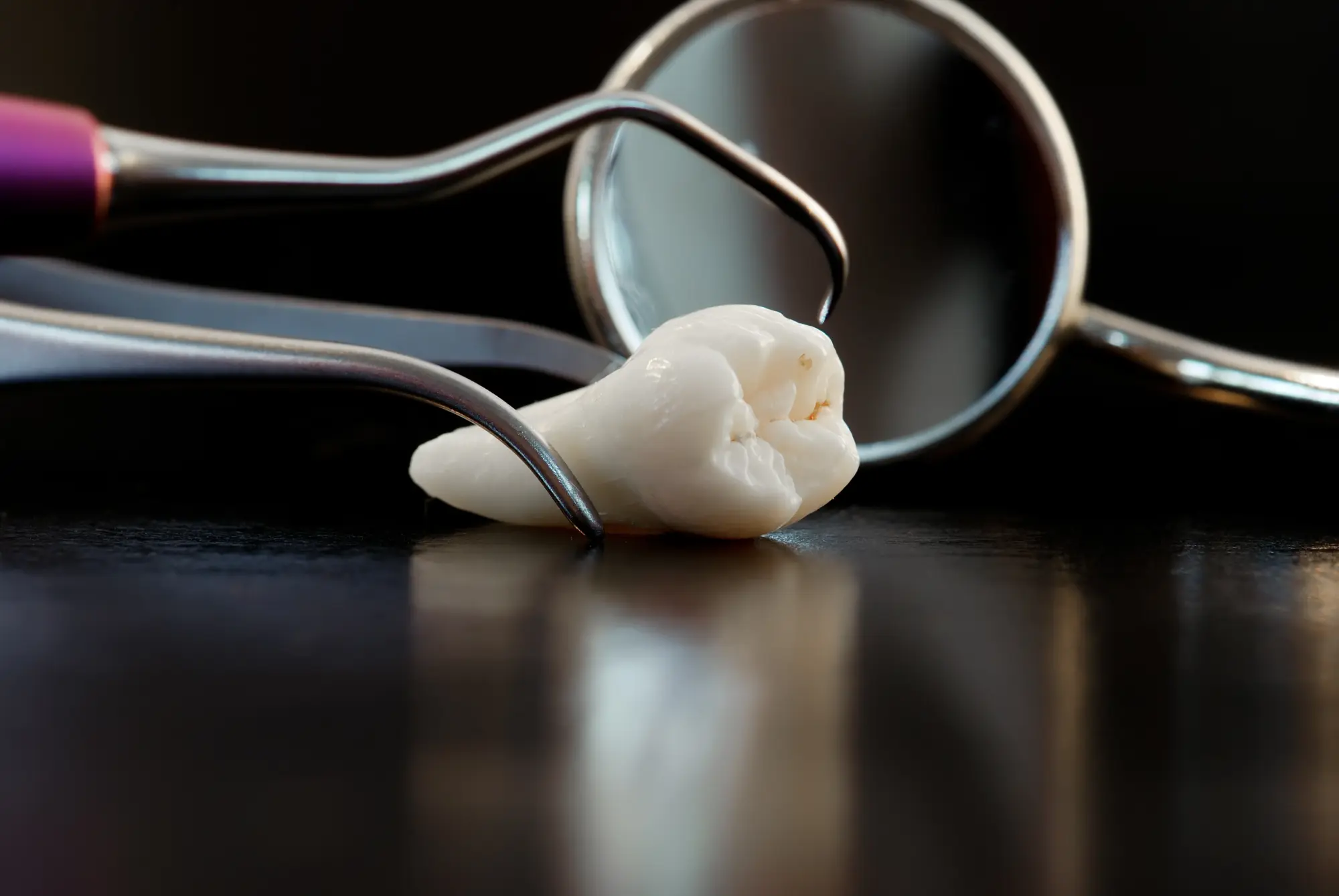
If an adult tooth has been knocked out, pick it up by the crown, rinse it gently, and try to place it back in the socket. If that isn't possible, keep it moist in milk and call Winterholler Dentistry at (406) 541-3585 immediately. A tooth that is back in the mouth or in a dentist's hands within 30 minutes has the best chance of survival.
If you have a knocked-out tooth in Missoula, you don't have to figure this out alone. Our doctors at your Missoula emergency dentist offer same-day access for dental emergencies, and we will tell you what to do while you're on your way.
The steps below are simple. Read them now, and you'll know what to do if it ever happens to you or someone in your family.
Why the First 30 Minutes Matter
The root of your tooth is covered in living cells that help it reattach to the bone. Those cells begin to dry out and die within minutes of leaving your mouth. The longer the tooth stays dry, the lower the odds of saving it.
Your 30-Minute Plan, Step by Step
Stay as calm as you can. Bleeding and pain make this feel worse than it is, and a clear plan helps. Follow these steps in order.
- Find the tooth and pick it up by the crown, the white part you chew with. Do not touch the root.
- If it is dirty, rinse it for a few seconds with milk or saline. Tap water is a last resort, and only briefly.
- Gently try to place the tooth back into its socket, facing the right way. Bite down softly on a clean cloth or gauze to hold it in place.
- If it won't go back in, put it in a small container of cold milk or tuck it inside your cheek.
- Call (406) 541-3585 as you leave so our team can prepare for your arrival.
- Apply a cold compress to the outside of your face to ease swelling.
Why Reinserting the Tooth Works
Your socket is the best storage container there is. It keeps the root cells moist and at the right temperature. Even a partial reinsertion helps protect the root until a dentist can secure the tooth.
If You Feel Dizzy or Can't Reinsert It
Don't force it. If you feel faint or the tooth won't seat, skip to storage in milk. Getting to a dentist quickly matters more than getting the tooth back in perfectly.
How to Keep the Tooth Alive on the Way to Our Office
Sometimes reinsertion isn't possible, especially if the mouth is sore or a child is upset. In that case, how you store the tooth makes a real difference.
Milk Is Your Best Option
Cold whole or low-fat milk helps preserve the root cells for up to an hour or so. Place the tooth in a clean cup or container and keep it covered. If you have a tooth-saving kit from a pharmacy, that works well too.
Your Cheek Is the Backup
If you have no milk, hold the tooth inside your cheek, next to your gums. Your saliva keeps it moist. This works best for adults and older teens. Do not do this with a small child, since they could swallow the tooth.
Why Dry Storage Fails
A tissue, napkin, or pocket will dry out the root fast. Plain water can also damage the cells. Choose milk or saliva every time.
Common Mistakes That Lower the Odds of Saving the Tooth
When people panic, they often do things with good intentions that hurt the outcome. Keep this short list in mind.
- Do not scrub the tooth or use soap, alcohol, or mouthwash on it.
- Do not hold the tooth by the root.
- Do not wrap it in tissue or leave it sitting dry.
- Do not wait to see if the pain settles before calling.
- Do not try to reinsert a baby tooth.
Waiting Costs You Time
Some people feel fine after an injury and decide to book a regular visit later in the week. That delay can cost you the tooth. Even if the tooth is cracked, loose, or pushed out of position, call the same day. Our emergency dentistry services are built for exactly these situations.
Baby Teeth vs. Adult Teeth: What Changes
The steps above are for permanent teeth. Baby teeth need different handling, and the main rule is the opposite: do not put them back in.
If Your Child Loses a Baby Tooth
Reinserting a baby tooth can damage the adult tooth growing underneath. Instead, stay calm, apply gentle pressure with gauze to stop bleeding, and call us. We will check the area and make sure nothing was left behind.
If Your Child Loses an Adult Tooth
Teens and older kids often lose permanent teeth during sports. Treat it like an adult emergency. Handle the tooth by the crown, keep it in milk, and get to us fast. Kids can feel scared, so a calm voice helps a lot.
What to Expect When You Reach Winterholler Dentistry
When you call, we will ask a few quick questions: how long ago it happened, how the tooth is being stored, and whether there is other injury to your mouth, head, or neck. If you have a head injury, dizziness, or heavy bleeding that won't stop, go to the emergency room first.
The Exam and Treatment
Our doctors will examine the socket and the surrounding teeth, and take X-rays to look for fractures in the root or jaw. If the tooth is a good candidate, we will place it back and splint it to neighboring teeth so it can heal. We explain each step clearly so you always know what is happening.
Comfort Comes First
An injury like this is stressful, and many of our patients already feel nervous about dental visits. We offer modern sedation dentistry options and a calm, welcoming setting. Reviewers often mention how gentle and friendly our staff are, and that matters most when you arrive shaken.
Follow-Up Care
A reattached tooth usually needs a root canal later, and we monitor it over the following weeks and months. You will likely need to eat soft foods and avoid biting on the tooth while it settles.
If the Tooth Can't Be Saved: Replacement Options
Sometimes the tooth is too damaged, or too much time has passed. That is hard news, but you still have good options. Losing a tooth does not mean living with a gap.
Dental Implants
An implant replaces both the root and the crown, which helps protect your jawbone and gives you a tooth that looks and works like your own. Our practice has placed more than 7,000 implants with a 98% success rate, so you are in experienced hands.
Our On-Site Lab Makes It Smoother
Because our dental lab sits under the same roof as our treatment rooms, your restoration is made close to home. That means faster turnaround, tighter control over fit and color, and easier scheduling. If you've lost more than one tooth, we also offer full-arch implant solutions and All-on-X options.
Bridges and Other Choices
Depending on your bone, your health, and your budget, a bridge or partial may also be a fit. We go over each option in plain language and never pressure you to decide on the spot.
Be Ready Before an Emergency Happens
You can't plan for an accident, but you can plan your response. Save our number, (406) 541-3585, in your phone today. Tell family members what to do, especially if your kids play contact sports.
Protect Your Smile Going Forward
A custom mouthguard is one of the best ways to prevent a knocked-out tooth during sports. We can talk with you about fit and protection at your next visit. Regular checkups also help us catch weak or damaged teeth before an impact makes things worse.
Call Winterholler Dentistry, Missoula Now
If you or someone you love has lost a tooth, don't wait. Call (406) 541-3585 or request your appointment and we will get you in quickly, walk you through the next steps, and treat you with care from the moment you arrive.