Why Does My Gum Bleed When I Floss? What It Means and When to Worry


Why Does My Gum Bleed When I Floss?
Your gums bleed when you floss because the tissue is inflamed, most often from plaque and bacteria built up along the gumline. Gingivitis, the earliest stage of gum disease, is the most common cause. The good news is that it is usually reversible with better cleaning habits and a professional visit.
At Winterholler Dentistry in Missoula, our team of doctors offers trusted Missoula dental care and sees this concern every week. If bleeding lasts more than a week or two, call us at (406) 541-3585. We can find the cause and get your gums healthy again.
Bleeding is a signal, not a reason to stop flossing. Keep reading to learn what is behind it and what to do next.
What Happens in Your Gums When They Bleed
Plaque is a sticky film of bacteria that forms on your teeth every day. When it stays along the gumline, your body responds with inflammation. Blood vessels in the gum tissue swell and become fragile.
A strand of floss then touches tissue that is already irritated, and it bleeds easily. The bleeding is a sign that bacteria are winning near the gumline.
Why Healthy Gums Do Not Bleed
Healthy gums are firm, pale pink, and snug around each tooth. They can handle floss, a toothbrush, and a cleaning with little or no blood. If you see pink in the sink on a regular basis, something has changed.
Common Reasons for Bleeding Gums When Flossing
Several everyday factors can cause gums to bleed. Some are simple to fix, and others need a dentist to sort out.
Gingivitis and Plaque Buildup
Gingivitis is the leading cause. Gums look red or puffy and may feel tender. Bleeding often shows up when you floss or brush. Plaque that hardens into tartar cannot be removed at home, so a professional cleaning is needed to reset the area. Our preventive dentistry visits are designed for exactly this.
Starting a New Flossing Habit
If you have just begun flossing again after a long break, some bleeding is normal. Gums that have been neglected react to the new attention. This should settle within one to two weeks of daily, gentle flossing.
Flossing Too Hard
Snapping floss down into the gum can cut the tissue. Slide the floss between teeth, then curve it into a C shape against one tooth and move it up and down gently. Sawing back and forth does more harm than good.
Other Contributing Factors
Hormonal changes during pregnancy, certain medications such as blood thinners, smoking, and conditions like diabetes can all make gums more likely to bleed. Tell your dentist about any medication or health change, since it affects how we treat you.
Bleeding Gums When Flossing: Signs It Is Time to Worry
Occasional light bleeding is common. Certain signs mean the problem has moved past simple irritation. Watch for the following:
- Bleeding that continues for more than two weeks despite regular flossing
- Gums that are swollen, bright red, or dark purple
- Persistent bad breath or a bad taste that does not go away
- Gums pulling back from the teeth, making teeth look longer
- Teeth that feel loose or shift position
- Pus along the gumline or pain when chewing
These can point to periodontitis, a deeper infection that damages the bone supporting your teeth. It does not heal on its own and can lead to tooth loss if ignored. Early treatment through periodontal care in Missoula can stop it from progressing.
Can Bleeding Gums Point to a Bigger Health Issue?
Sometimes. Research has linked advanced gum disease to heart disease, diabetes, and other conditions. Gums that bleed easily with no clear cause can also signal a blood disorder or a vitamin deficiency.
This does not mean every bleeding gum is a warning of something serious. It does mean persistent bleeding deserves an exam rather than a guess.
How to Stop Gums From Bleeding at Home
Most mild cases improve with consistent care. A few changes make the biggest difference:
- Brush twice a day for two minutes with a soft-bristle brush
- Floss once a day, using a gentle C-shaped motion
- Try a water flosser if string floss is hard to use or you have bridges or implants
- Rinse with an alcohol-free antibacterial mouthwash
- Stop using tobacco, which hides symptoms and weakens healing
Give it two weeks. If the bleeding is not clearly improving, home care alone is not enough, and you should book a visit.
What to Expect When You See Us for Bleeding Gums
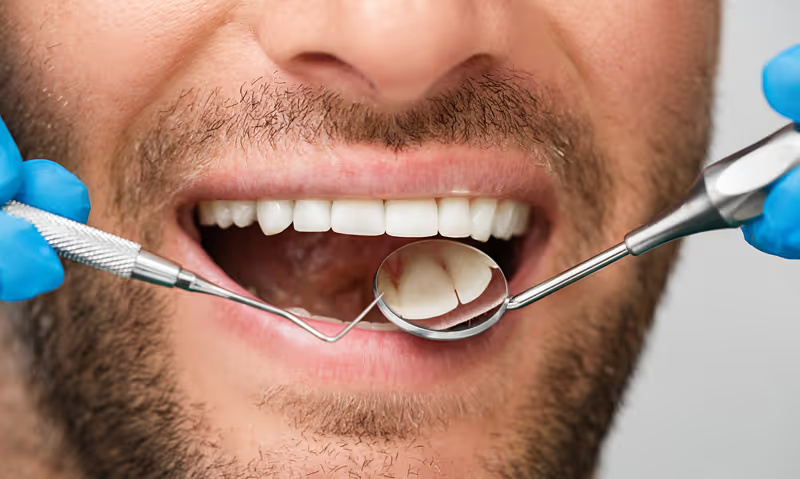
Your visit starts with a gentle exam of your gums. We measure the small spaces between your teeth and gums, check for tartar, and review your health history. If needed, we take X-rays to look at the bone beneath the gums.
For gingivitis, a thorough cleaning and a few tips on technique are often all it takes. If we find signs of deeper gum disease, we explain your options in plain language and build a plan that fits you.
Many patients tell us they put off a visit because they feel anxious. Our hygienists are known for a gentle touch, and we offer modern sedation dentistry for patients who want extra comfort. Our in-house approach also keeps scheduling simple, so you can often be seen quickly.
Schedule a Visit at Winterholler Dentistry in Missoula
Bleeding gums are easier and less costly to treat the earlier you act. Our doctors at Winterholler Dentistry have helped thousands of patients across Montana keep their natural teeth healthy, and many of those stories began with a small bit of blood on the floss.
Do not wait for pain to tell you something is wrong. Call (406) 541-3585 or book your appointment, and let us help you get back to flossing without worry.