What Does a Dental Abscess Look Like? Warning Signs You Shouldn't Ignore


A dental abscess usually looks like a swollen, red bump on the gums that may contain pus. It often sits near the root of a tooth, and it can come with facial swelling, a bad taste in your mouth, and throbbing pain. If you see these signs, call Winterholler Dentistry - Laurel at (406) 628-4500 today.
Our team of doctors can see you quickly and relieve the pain. Learn more about dental care in Laurel, MT from our practice. An abscess is a serious infection, and it does not go away on its own. The sooner you get it treated, the simpler the fix tends to be. Here is what to look for and what to do next.
What Does a Dental Abscess Look Like Inside Your Mouth?
Most abscesses show up as a raised bump on the gum, close to the tooth that is causing trouble. The bump may look like a pimple or a small balloon. It is often red or dark pink, and it feels tender when you touch it.
Some bumps are white or yellow at the center, which is pus collecting under the surface. You may also notice that the tooth itself looks darker than the teeth around it. That color change can mean the nerve inside has died.
Gum Swelling and Pus
Swollen gum tissue around one tooth is one of the clearest signs. The area may feel warm and firm. If the bump bursts, you may taste something salty and foul, and the pain can ease for a short time. That relief is misleading. The infection is still there.
Changes to the Tooth
A tooth with an abscess may feel loose or look slightly raised in its socket. Biting down can hurt sharply. You might also see a crack, a large cavity, or a broken filling on the tooth, since these are common entry points for bacteria.
Dental Abscess Symptoms You Can Feel
Looks only tell part of the story. Many people feel an abscess before they see anything. The pain is usually steady and deep, and it often pulses with your heartbeat. Watch for these dental abscess symptoms:
- Throbbing tooth pain that may spread to the jaw, ear, or neck
- Sensitivity to hot and cold drinks
- Pain when chewing or pressing on the tooth
- A bitter taste or constant bad breath
- Swollen glands under the jaw or in the neck
- Swelling in the cheek or face
- Fever
You do not need every symptom to have an abscess. If you notice one or two of the above issues, especially with gum swelling, give us a call immediately.
Types of Abscess: Where the Infection Starts
Not all abscesses begin in the same place, and that changes how they look and how we treat them.
Periapical Abscess
This type forms at the tip of the tooth root. It usually starts from deep decay, a crack, or an injury that lets bacteria reach the nerve. The tooth often hurts a lot, then the pain may fade if the nerve dies, while the swelling continues to grow.
Periodontal Abscess
This one develops in the gum beside the tooth, often in people with gum disease. The gum may look puffy and shiny, and pus can seep out around the tooth when you press on it. The tooth may start to feel loose. Our periodontal care can address the gum disease behind it.
Signs of an Infected Tooth That Mean You Need Care Soon
Some signs of an infected tooth are easy to brush off. A dull ache that comes and goes, a gum pimple that appears and disappears, or a tooth that feels a little different when you bite can all point to infection.
Do not wait for the pain to become severe. A small infection treated early often needs less work than one that has spread. Patients often tell us they wish they had called sooner, so we keep appointments easy to get.
When a Dental Abscess Becomes an Emergency
Infection can spread beyond the tooth into your jaw, face, and neck. In rare cases it can reach the bloodstream. Go to the emergency room right away if you have any of these:
- Swelling that spreads across your face or under your eye
- Trouble swallowing or breathing
- A high fever with a racing heart
- Confusion or extreme weakness
- Swelling that makes it hard to open your mouth
These signs mean the infection is moving. Do not wait for a dental appointment. Get emergency care first, then call us for follow-up treatment.
How We Treat a Dental Abscess at Winterholler Dentistry
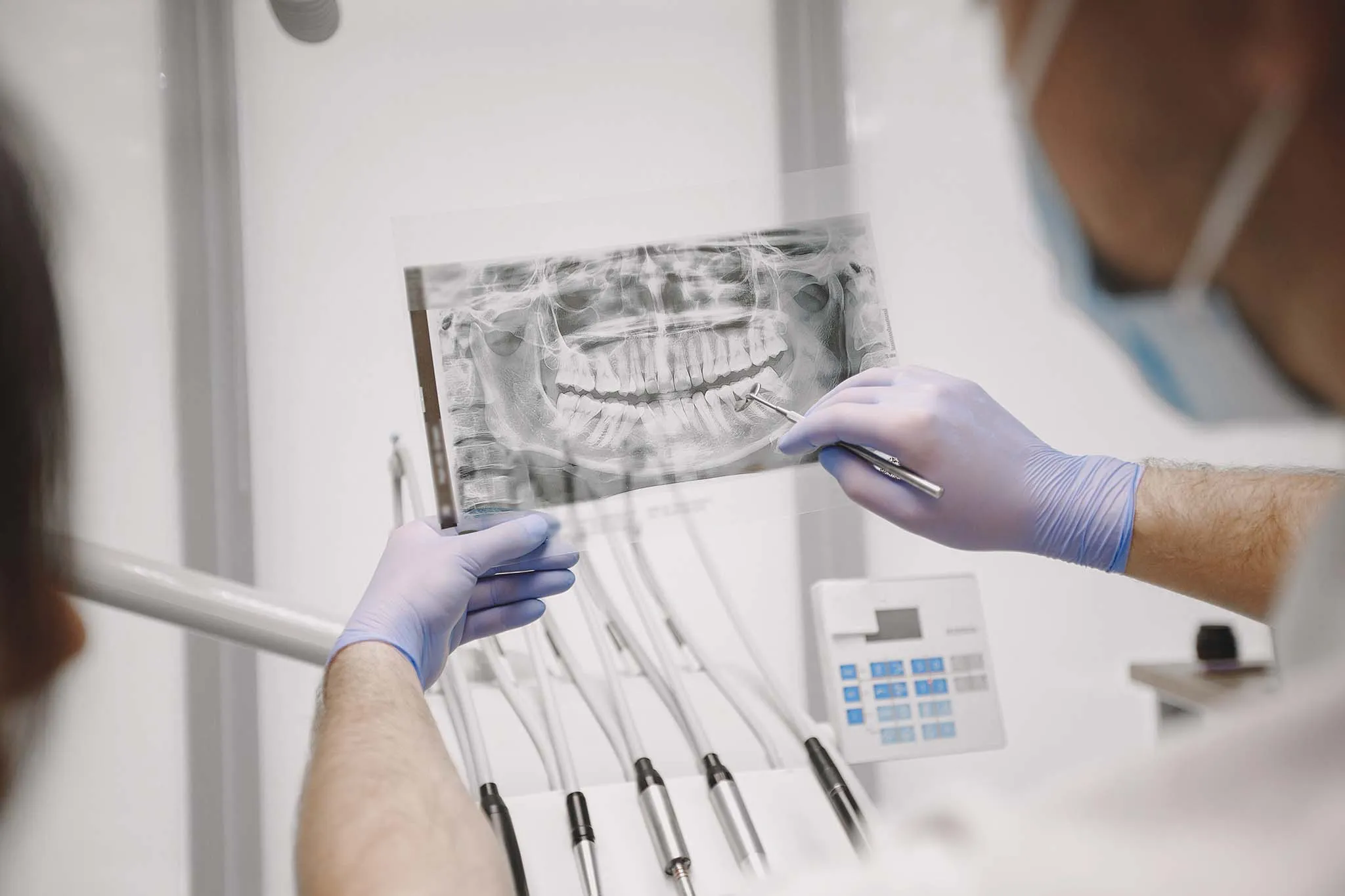
The goal is to clear the infection, stop the pain, and save your tooth when we can. We start with an exam and an X-ray to find the source. Then we talk through your options in plain language, with no pressure.
Treatment depends on the cause. A root canal can remove the infected nerve and keep the tooth. A gum abscess may need a deep cleaning and drainage. If the tooth cannot be saved, we may remove it. Antibiotics may help control the spread, but they do not replace treatment of the source.
Nervous about dental work? You are not alone. Many of our 500+ five-star reviews come from patients who felt anxious before they walked in. We offer modern sedation options and a gentle, friendly team to keep you comfortable.
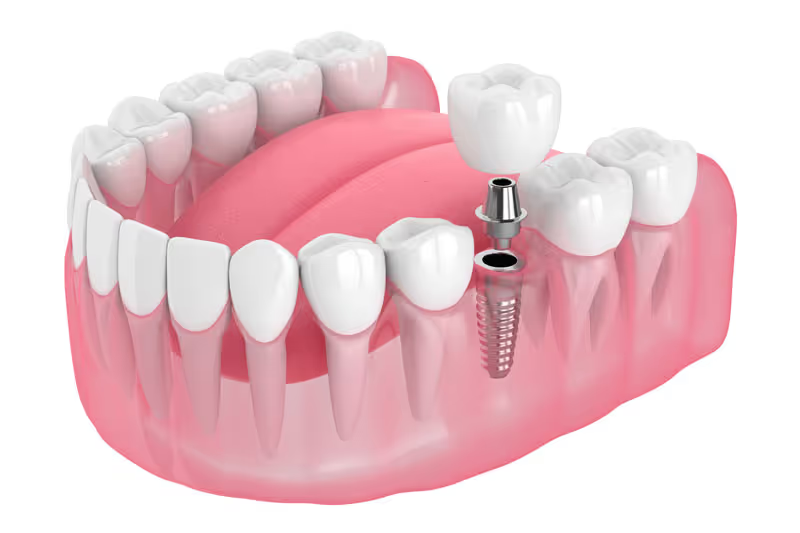
If a tooth cannot be saved, we can talk about replacing it. Our doctors have placed more than 7,000 implants, and our on-site lab helps us deliver precise results faster. That means one team can handle the abscess and the rebuild afterward. Learn how we approach tooth extractions in Laurel when a tooth is beyond saving.
Get Help for a Dental Abscess in Laurel
An abscess will not heal without treatment, and waiting only gives the infection more room to spread. Home care like rinsing with warm salt water can ease discomfort for a short time, but it will not remove the infection.
If you spotted a bump on your gum, felt a throbbing tooth, or noticed swelling in your face, call Winterholler Dentistry - Laurel at (406) 628-4500 or schedule your appointment. We are a short drive from home, with quick access to appointments and a team that will help you feel at ease from the first visit.