Sports Injuries and Your Teeth: Mouthguards, Emergencies, and Prevention
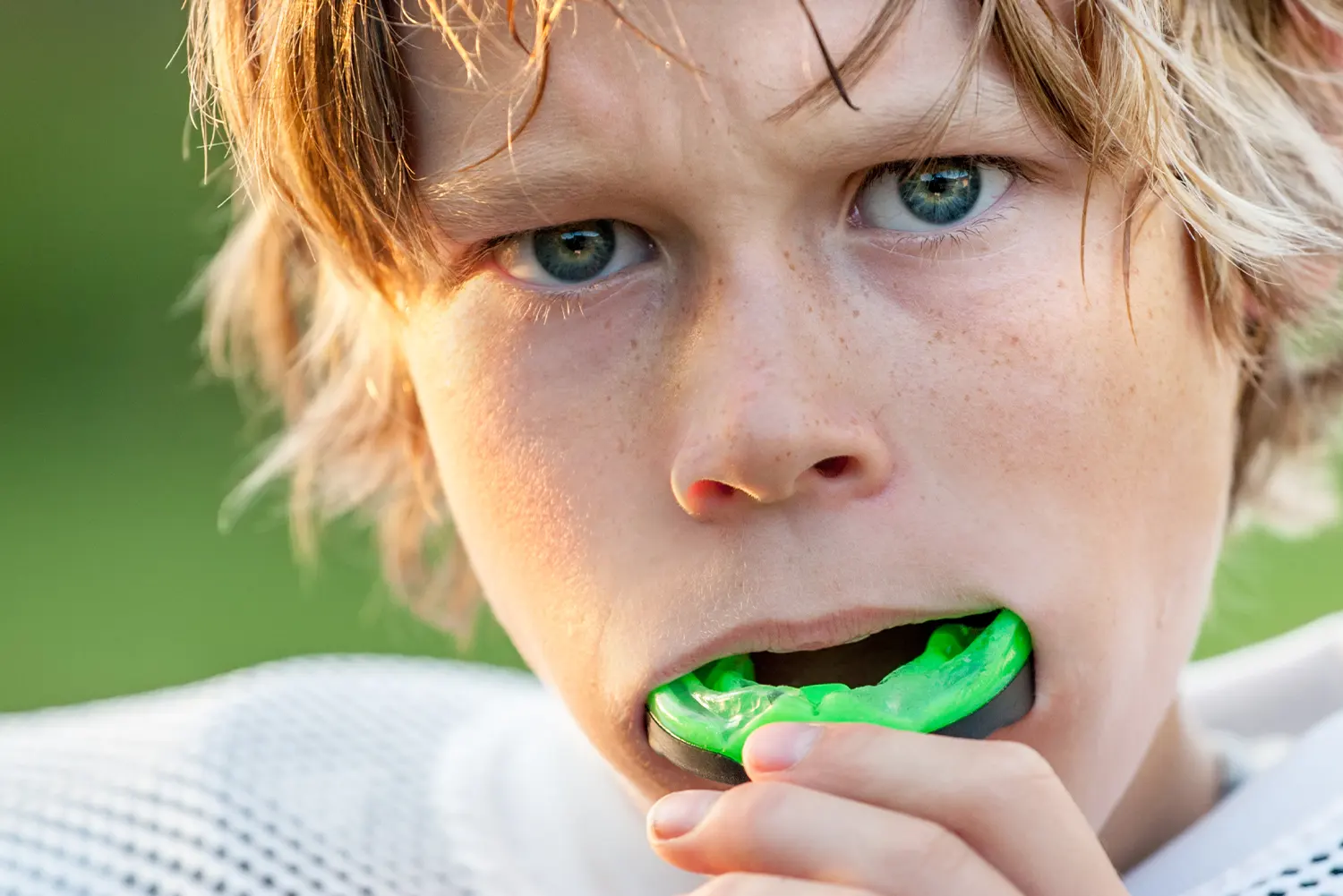


What to Do When a Sports Injury Hits Your Teeth
If a hit to the face chips, loosens, or knocks out a tooth, call a dentist right away, keep the tooth or fragments moist, and aim to be seen within the hour. The best way to avoid that call is a properly fitted mouthguard worn every time you play.
Winterholler Dentistry in Missoula treats dental emergencies and helps athletes protect their smiles before the next game. For Missoula emergency and sports dentistry, call (406) 541-3585 and our team of doctors will tell you what to do next.
Here is what to know about Sports Injuries and Your Teeth: Mouthguards, Emergencies, and Prevention, from the first minute after impact to long-term protection.
Why Teeth Are So Vulnerable During Sports
Teeth are hard, but they are not built to take a direct blow from an elbow, ball, stick, or the ground. Even a small collision can crack enamel or damage the nerve inside.
Many athletes assume only football and hockey players need to worry. That is not true. Dentists regularly see injuries from basketball, soccer, baseball, skateboarding, cycling, and even gymnastics.
Common Injuries We See
Most sports-related dental injuries fall into a few groups. Chipped front teeth are the most frequent. Others include cracked roots, teeth pushed out of position, teeth knocked completely out, and cuts to the lips, cheeks, or tongue.
Some damage is obvious. Some is hidden. A tooth that looks fine after a hard hit can still have a damaged nerve, and that may only show up weeks later as darkening or pain.
Sports and Activities With Higher Risk
Contact sports carry the most obvious risk, but fast, unpredictable movement matters too. Falls on a bike, a ball to the mouth in a pickup game, or a collision at the rim can all cause the same damage as a tackle.
If you or your child plays any sport with speed, equipment, or other players nearby, a mouthguard belongs in the gear bag.
Choosing a Mouthguard That Actually Protects You
A mouthguard cushions the force of a blow, keeps teeth from slamming together, and protects soft tissue from being cut against braces or sharp edges. The catch is that a guard only works if it fits well and you will actually wear it.
Stock Mouthguards
These come ready to wear from a sporting goods store. They are inexpensive, but they are bulky, loose, and often make it hard to breathe or talk. Many athletes take them out mid-game, which defeats the purpose.
Boil-and-Bite Mouthguards
These soften in hot water and mold to your teeth. They fit better than stock options and work for many recreational players. The fit can wear out, though, and they may not hold up to a full season of heavy use.
Custom-Fitted Mouthguards
A custom guard is made from an impression of your teeth, so it sits snugly and stays put. It is usually the most comfortable choice and the one athletes are most likely to keep wearing. If you wear braces, have crowns or bridges, or have had implant work, ask your dentist which type suits your mouth.
Kids who are still growing may need a new guard more often as teeth come in and shift. Check the fit at the start of every season.
Dental Emergencies on the Field: First Steps That Save Teeth
What you do in the first few minutes can decide whether a tooth can be saved. Stay calm, get the player out of the game, and follow these steps. Our emergency dentistry services are ready when an injury happens.
If a Tooth Is Knocked Out
- Pick up the tooth by the crown (the chewing surface), never the root.
- If it is dirty, rinse it gently with milk or water for a few seconds. Do not scrub it or wipe it with cloth.
- If you can, place it back into the socket and have the player bite gently on gauze to hold it.
- If it will not go back in, keep it in a small container of milk. Plain water is a poor choice for storage.
- Call us at (406) 541-3585 immediately. Time matters, and the best outcomes happen within about 30 to 60 minutes.
- Never try to reinsert a baby tooth, as that can harm the developing adult tooth.
If a Tooth Is Chipped or Cracked
Rinse with warm water and save any pieces you can find. Apply a cold compress to the cheek to limit swelling. Even if the pain is mild, get checked soon. A small chip can hide a deeper crack that gets worse with time.
If Your Mouth Is Bleeding
Press clean gauze on any cut lip, cheek, or tongue for about 10 minutes. If bleeding does not stop, or the cut is deep, head to urgent care or an emergency room while you call your dentist.
Chipped, Cracked, and Loose Teeth: What Happens Next
After a sports injury, your dentist will examine the tooth, take X-rays, and check the surrounding gums and bone. The treatment depends on how deep the damage goes.
Repairing Minor Damage
Small chips can often be smoothed or rebuilt with bonding in a single visit. Larger breaks may call for a veneer or a crown to restore strength and appearance.
Treating Nerve Damage and Loose Teeth
If the nerve is hurt, a root canal may be needed to save the tooth. A tooth that has been loosened or pushed out of place may be repositioned and stabilized with a splint for a few weeks. Follow-up visits matter here, since problems can appear months later.
Our patients tell us they feel at ease here, and that matters when you are hurting and stressed. If dental anxiety is a concern, sedation dentistry can make treatment more comfortable.
Prevention Habits for Athletes of Every Age
Most sports-related tooth injuries can be avoided with a few simple habits. Build these into your routine, and your kids' routines, from the first practice of the season.
- Wear a mouthguard for every practice and game, not only competitions.
- Replace a guard that is worn, cracked, or no longer fits snugly.
- Clean it with cool water and a toothbrush after each use, and store it in a ventilated case.
- Wear a helmet with a face guard when your sport calls for one.
- Avoid chewing on your mouthguard or on ice, hard candy, or pens, which can weaken teeth before a hit.
- Schedule a checkup before each season so existing cavities or weak spots can be treated first.
- Keep our number, (406) 541-3585, saved in your phone and on your team emergency list.
Restoring Your Smile After a Serious Injury
Sometimes a tooth cannot be saved. That is a hard moment, especially for a young athlete or an adult who relies on a confident smile. The good news is that modern restorations look and feel natural.
Winterholler Dentistry has placed more than 7,000 implants with a 98% success rate. A dental implant replaces the root and the crown, so it works like a natural tooth and does not depend on neighboring teeth for support.
Because our lab is on-site, we control each step of the process. For patients, that often means fewer appointments, faster results, and precise fits for crowns, bridges, and other restorations. You are not waiting on a lab across the country.
Patients have traveled from out of state for implant care, and our four offices across Montana make follow-up care convenient. With more than 500 five-star reviews, we know how much trust matters after an injury.
Book a Visit Before the Next Season Starts
Do not wait for an injury to find out whether your mouth is ready for sports. A quick visit can catch weak teeth, check your mouthguard fit, and give you a plan if something goes wrong.
If you are already hurt, call right away. Our Missoula office offers quick-access scheduling for emergencies, and our team will walk you through every step with care.
Protect your teeth. Keep playing. Schedule your visit or call Winterholler Dentistry at (406) 541-3585 today.