Bleeding After a Tooth Extraction: How Much Is Normal and When to Call
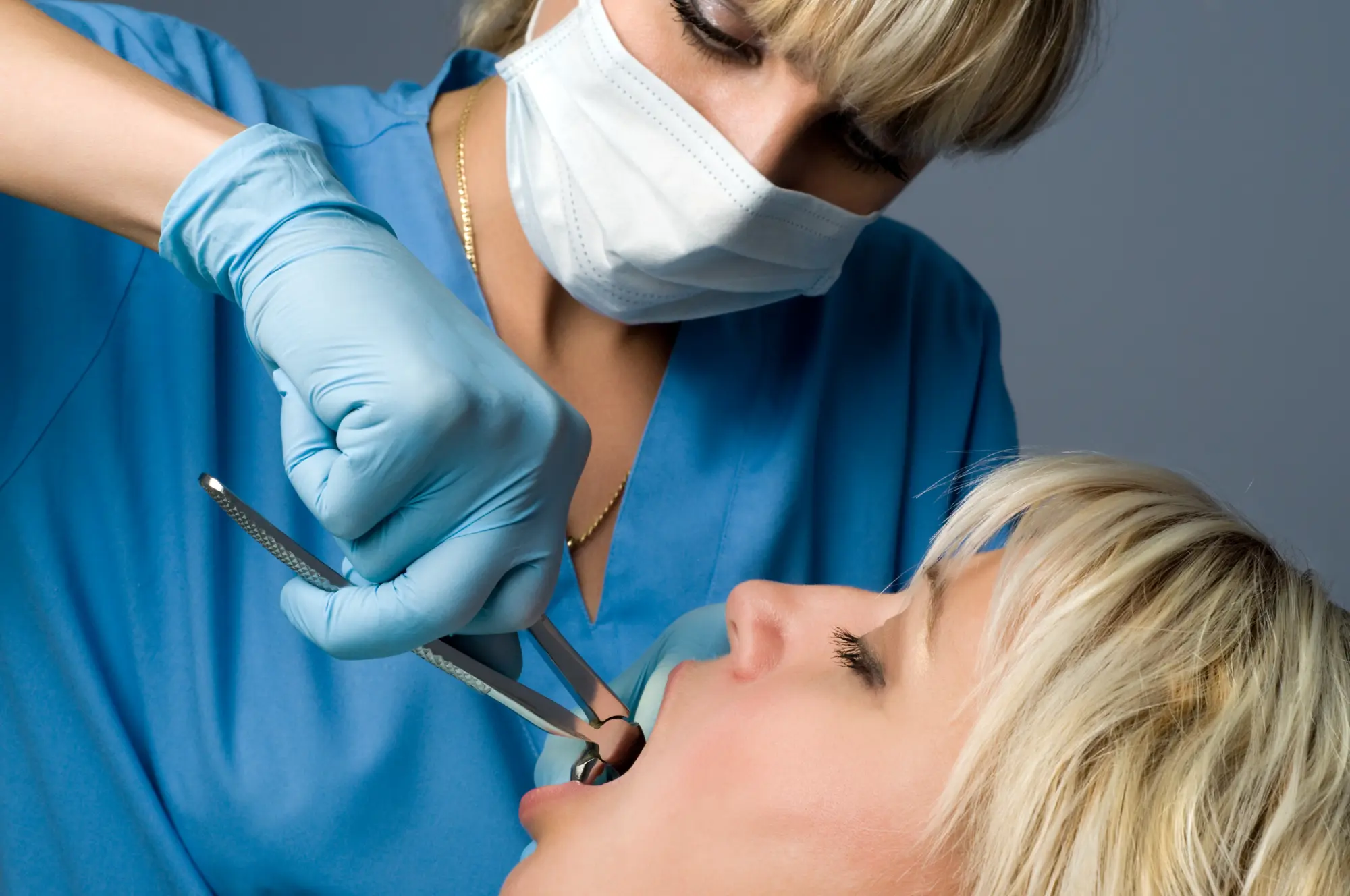


Light bleeding or oozing for the first 24 hours is normal after a tooth extraction. You may see pink saliva or small spots of blood on your gauze. Bleeding that soaks through gauze every 15 to 30 minutes after an hour of firm pressure, or bleeding that gets heavier instead of lighter, is a reason to call. At Winterholler Dentistry - Laurel, our team of doctors offers trusted Laurel extraction care and is here to help at (406) 628-4500.
What Normal Bleeding After a Tooth Extraction Looks Like
Your body starts forming a blood clot in the socket within minutes of the extraction. That clot protects the bone and nerves underneath and starts the healing process. Some bleeding is part of that process. Most patients notice it tapering off over the first several hours.
The First 24 Hours
Expect steady oozing at first, which should slow as the day goes on. Blood mixed with saliva can look like more than it really is. A few drops can turn a mouthful of saliva pink.
Gauze placed by your dentist should stay in place with gentle, firm pressure for about 30 to 45 minutes. If bleeding continues, replace it with fresh gauze and bite down again.
Days Two and Three
By the second day, active bleeding should be mostly gone. You might still see a faint pink tinge when you spit or wake up with a small stain on your pillow. That is common and usually not a concern.
How to Control Bleeding at Home
Most bleeding can be managed with a few simple steps. Staying calm and avoiding exertion helps too. Anxiety and exercise raise your heart rate and blood pressure, which can keep a socket seeping.
Use Gauze the Right Way
Fold a clean piece of gauze into a pad and place it directly over the socket. Bite down firmly for 30 to 45 minutes without checking it every few minutes. Lifting the gauze early can disturb the clot. Switch to a new gauze pack only if your current pack becomes fully soaked through.
Keep Your Head Elevated
Lying flat can increase blood flow to your head and mouth. Prop yourself up with an extra pillow when you rest, and avoid bending over or lifting anything heavy for the first day or two.
Habits That Make Bleeding Worse
Some everyday habits interfere with clot formation. Knowing them ahead of time makes your recovery smoother.
- Spitting forcefully or rinsing hard in the first 24 hours
- Drinking through a straw, which creates suction in the mouth
- Smoking or vaping, which slows healing and raises the risk of a dry socket
- Drinking hot beverages or eating hot, spicy, or crunchy foods
- Strenuous exercise during the first day or two after extraction
Stick to cool, soft foods like yogurt, applesauce, and smoothies (with a spoon, not a straw). Brush your other teeth gently and avoid the extraction site until your dentist says otherwise.
When to Call Your Dentist About Bleeding After Extraction
Knowing when bleeding is more than routine can save you a lot of worry. Call our Laurel office if you notice any of the signs below.
- Bleeding that does not slow after an hour of firm gauze pressure
- Blood that soaks through fresh gauze every 15 to 30 minutes
- Bright red bleeding that returns after it had stopped
- Large, jelly-like clots that keep forming and being replaced
- Fever, swelling that worsens after day three, or a bad taste or odor
- Severe pain that begins two to four days after the extraction, which can point to a dry socket
If bleeding is heavy and you cannot reach us, or you have trouble breathing or swallowing, go to the nearest emergency room.
Medical Factors That Can Affect Bleeding
Some patients bleed longer than others, and it is not always because of something they did wrong. Blood thinners such as warfarin, aspirin, or newer anticoagulants can slow clotting. High blood pressure and certain supplements, including fish oil and vitamin E, can have a similar effect.
Tell your dentist about every medication and supplement you take before your procedure. Never stop a prescribed blood thinner on your own. Your dentist can work with your physician to plan the safest approach.
Surgical extractions, such as impacted wisdom teeth, may also bleed a bit longer than a simple extraction because the procedure involves more tissue. Your dentist will give you instructions based on your specific case, and you can learn more about our tooth extractions.
Comfortable Extraction Care at Winterholler Dentistry - Laurel
Our doctors have surgical, sedation, and implant training, so you get care from a team that handles extractions regularly. If you feel nervous about having a tooth removed, sedation dentistry options can help you stay relaxed from start to finish. Our staff is friendly and takes the time to explain each step.
We also keep the full picture in mind. A tooth that needs to come out may be replaced with a dental implant, and our team has placed more than 7,000 implants with a 98% success rate. Planning ahead for a replacement can protect your jawbone and make the transition easier.
Plus, our on-site dental lab means any restoration planning happens under one roof, which can speed up the process. With more than 500 five-star reviews, patients often tell us they felt at ease from the moment they walked in.
Call Us if You Have Questions About Your Recovery
You do not have to guess whether your healing is on track. If you have had a tooth removed and the bleeding worries you, our team would rather hear from you early than have you wait and wonder.
Call Winterholler Dentistry - Laurel at (406) 628-4500 to talk with our team or schedule a visit. If you are thinking about replacing a missing tooth, ask about our quick implant candidacy form. It takes about 30 seconds and gives you an easy first step.